
Hands-On Growth Tactics for Independent Auto Shops Seeking Scalable Success
Updated: May 19
Most independent auto repair shop owners know what it means to be stretched thin. Every week brings tough decisions: where to deploy limited resources, how to navigate a tight labor market, and when to pull the trigger on new tools or training that promise change but demand time you rarely have. It is common for owners to get caught in survival mode - fighting daily fires instead of building a business that returns dependable profit, grants true freedom, and stands strong for the long haul. The relentless pace and endless demands blur the bigger picture, leaving growth as something always on tomorrow's list.
Universal Consulting Group Inc, based in Dousman, Wisconsin, meets the realities of shop life head-on. This veteran-owned automotive consulting firm, founded by Stephen Mars with over two decades managing single and multi-location repair environments, sets itself apart through an operator-led approach. There's no theory detached from the workbench here; every recommendation is rooted in proven tactics learned through hands-on leadership and workforce engagement inside shops like yours. UCG guides both independent repair shops and tire centers with targeted initiatives that focus on execution - not just ideas circulated in an office far from the action.
The firm's methods address actual bottlenecks facing modern shop owners: refined workflow automation that clears up daily disorder; leadership coaching designed for team-building under pressure; transparent KPI tracking to put facts over hunches; and the step-by-step creation of rock-solid systems scalable for steady growth or eventual succession planning. These are not shortcuts or quick patches - they are processes tested in functioning shops with the same constraints and goals you face. What follows is a breakdown of these practical growth tactics, structured for operators determined to move their businesses beyond the daily grind and toward real, lasting success.

From Wrenches to Whiteboards: Shifting the Owner Mindset for Growth
Most independent auto shop owners start with a wrench in hand and sweat on their brow. For years, the shop's pulse matched yours - first to show up, last to lock the door, every engine problem tackled personally. This hands-on drive built reputation but quietly set ceilings on growth. Universal Consulting Group Inc, based in Dousman, Wisconsin, was built by leaders who lived these same years in the bays rather than the boardroom. Over two decades of direct industry management and workforce engagement revealed a hard truth: the habits that got you here won't get you where you want to go.
The transition from technician-owner to business leader is rarely voluntary. Sometimes it's enforced - a physical injury, burnout, or a workload that keeps crowding out family and sleep. More often it's a mounting frustration: seeing revenue plateau and turnover rise, no matter how many cars you fix yourself. One UCG client ran two busy locations but spent more time sorting parts inventory or settling disputes than setting direction for his team. Payroll costs grew and customer complaints crept upward, all while his own hours stretched longer.
This cycle locks owners in reactive mode. Micromanaging daily decisions and refusing to delegate masks as leadership; in reality, the business becomes owner-dependent and fragile. Steps like trusting senior techs with diagnosis or bringing service advisors into operational conversations can feel like giving up control - but in fact, they are early signals of a true growth strategy automotive repair environment. That distinction - working on your business instead of just in it - opens doors to scaling beyond the owner's limits.
Breaking these patterns means consciously shifting priorities. Operator-led consulting focuses not on theory but on hard-won tactics: transparent job roles, system implementation, and clear success metrics that real teams actually use. Leadership coaching at UCG isn't delivered from an ivory tower; it reflects years balancing car count with technician morale and living every number that shows up on a P&L. This integrity-driven approach helps clients sidestep common traps - overextension, inconsistent culture, lack of accountability - that stall #scaling auto shops far more than technical gaps ever do.
Mindset change - stepping back to measure performance, empowering key staff, adopting workflow automation - sets the stage for the concrete systems addressed next: everything from KPIs to process maps and delegation frameworks. Shop owners who make this shift stop feeling buried by crises and instead build businesses that run sustainably and are ready for whatever comes next.
Automating the Chaos: Practical Workflow Systems That Scale
Turning Chaos into Order: Building Repeatable Processes
The most successful growth strategy automotive repair shops embrace replaces day-to-day chaos with workflow systems rooted in clear, practical routines. For many independent garages, unpredictability starts before the doors even open - supplier no-shows, missing estimates, techs scrambling for the right parts - resulting in lost hours and frazzled teams. Rather than reach for complex software first, outlining each stage of the car's journey inside your business forms the foundation for meaningful change.
Start small. A process map need only sketch what currently happens from drop-off to pick-up, revealing the 'fire drills' that disrupt your team most. Whether it's frequent calls to double-check parts arrivals or sticky notes hiding unfinished estimates, these bottlenecks signal where automation or simple standardization brings the biggest returns.
Practical Workflow Fixes: Low-Tech and Digital
Consistent Job Tracking: Wall-mounted whiteboards or worksheet packets can clarify who's riding point on each ticket - a lifesaver in rural or narrow-bandwidth settings where live digital tools aren't always an option.
Parts Sourcing Calendars: In many Midwest areas, unpredictable deliveries derail even the best team's schedule. Laying out a shared 'parts ETA' chart gives both advisors and techs the same view, avoiding both double orders and last-minute searches.
Paperless Estimates and Approvals: For shops equipped with tools like Tekmetric, shifting estimates, authorizations, and inspection results into digital flows saves time and sets clear audit trails. Staff no longer revisit old paperwork; customers see prompt updates by text or email.
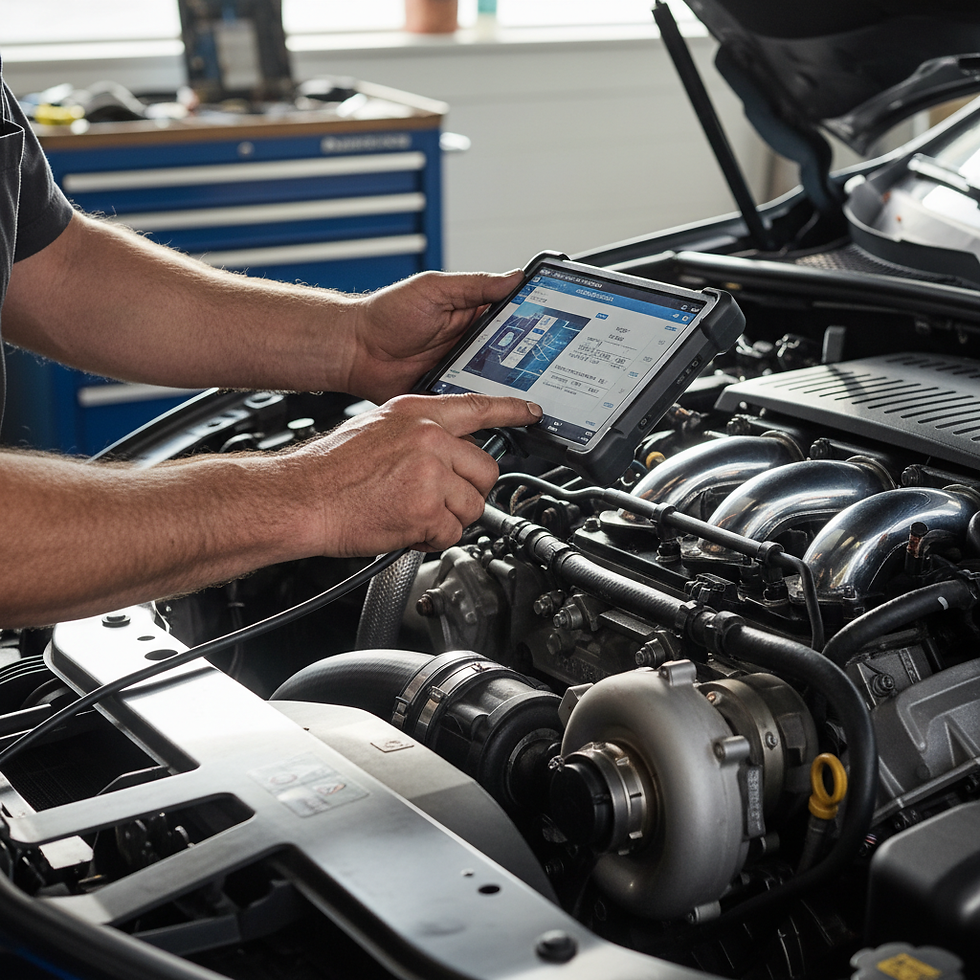
Standardized Digital Inspections: Even a basic in-shop tablet can enable checklists for incoming vehicles - documented issues, parts needed, next steps - eliminating miscommunication and keeping turnarounds tight.
Blending these approaches allows smaller rural shops - or any owner hesitant to go all-in on tech - to scale what works without unnecessary expense. Systems implementation only matters if routines become second nature for your crew; a universal lesson learned during UCG's operational audits across single-location and multi-bay operations alike.
A Scenario from the Bays
A shop outside Madison recently switched from sticky notes to tracked job folders managed by the service advisor. Instead of chasing techs for vehicle status or calling vendors one by one, a weekly review - with UCG's hands-on coaching - highlighted recurring delays in brake job part arrivals. After workflow mapping, they coordinated deliveries with scheduled appointments and adopted Tekmetric for outbound quote approvals. Turnaround times shrank, staff frustration eased, and customers saw more predictable service times without dramatic new investment.
Right-Sized Automation - Never Copy-Paste
No system functions on autopilot. Universal Consulting Group ensures every new process matches the shop's team structure, technology comfort level, and local supplier realities - not imported templates doomed to fail. Preparation for #system implementation includes on-the-floor coaching and clear checklists staff own themselves. For smaller shops or those stretching to handle volume bumps in towns where parts take longer to arrive, structured yet flexible processes prove vital.
Smoothing out daily work creates more breathing room at the leadership level. This space allows owners to move from putting out fires to meaningful tracking: performance management auto repair frameworks become possible only when frontline work runs predictably. The next phase turns fresh-found order into powerful metrics - and a playbook for continuing scalable growth.
Leadership Development: Building a Team, Not Just a Business
Effective shop growth hinges on the owner's ability to move past just being "the boss" and begin actually leading a team. In many shops, the difference is felt every day: a boss dictates procedures, enforces rules, and expects compliance. A leader shares direction but listens, develops people, and builds trust - often by having the harder conversations and making sure everyone has skin in the game. Why does this matter? Because command-and-control breeds turnover, saps technician energy, and leaves morale brittle - a fatal weakness if your aim is sustainable growth.
Independent shops struggle most with leadership at two inflection points: first, when handing off daily diagnostic or advisement decisions after years of doing it solo; second, when it's time to give feedback or reward strong performance. Many owners admit that delegating jobs, addressing recurring mistakes, or confronting toxic staff can feel impossible on top of everything else. The result: decent techs leave for more recognition elsewhere, while conflict festers on teams asked to 'just get along' without support or clarity.
Universal Consulting Group takes a direct, hands-on approach rooted in the realities of Midwest shop floors. Small group leadership workshops and focused one-on-one coaching with Stephen Mars address these pinch points directly: learning how to set up and lead productive weekly team meetings; using data from repair order flow or digital job tracking (such as KPIs in Tekmetric) to support transparent performance conversations; drafting technician development plans that point toward advancement - much more than just 'good job' or 'try harder next week.'
This kind of practical coaching meets owners where they are - balancing integrity and straight talk with a recognition of what keeps independent technicians motivated: clear expectations, opportunities for growth, and authentic recognition over hollow praise or last-minute tweaks to pay plans. UCG gives you useable frameworks for delegating work without letting standards slip, ways to document accountability without losing your team's trust, and proven methods for acknowledging those quietly driving profitability or mentoring apprentices behind the scenes.
When owners commit to intentional leadership development - rather than quick-fix advice - the payoff reaches every corner of the shop: higher technician retention reduces staffing chaos; team members step up to support new hires or push throughput during busy weeks; conflict is addressed early instead of hidden; most importantly, the business gains the strength and operational predictability needed for true #scaling auto shops. By connecting performance management auto repair data with coaching moments rather than just paychecks or quotas, UCG ensures leadership isn't just another task but the system underpinning every advance - from starter meetings to multi-location operations ready for their next phase of growth.
The Numbers Game: KPI Tracking for Accountability and Smart Decision-Making
Decoding the Numbers: KPIs That Drive Real Shop Progress
Numbers tell only part of the story - unless they're the right ones. Universal Consulting Group Inc specializes in helping auto shop owners shift from guessing to knowing by making KPI tracking practical and useful, never overwhelming or abstract. Experience has shown that a repair shop built on gut feeling alone often misses warning signs: subtle profit leaks, unproductive systems, or under-recognized technicians. Tracking clear metrics lets you direct effort where it counts, freeing time and building trust with your team.
Not all measurements carry weight in a busy shop. Data that matters most relates directly to daily operations and financial stability. The starting lineup includes these essentials:
Labor hours sold: Reveals how efficiently your team turns work orders into revenue.
Average repair order (ARO): Offers insight into the overall value each customer delivers to your business.
Car count: Shows your true customer volume and trends over time.
Gross profit per technician: Highlights productivity and signals where individual coaching may lift the whole crew.
Comeback rate: Captures rework or return visits - critical for quality control and protecting reputation.
A well-built KPI dashboard, using platforms like Tekmetric, pulls these figures into one place. Automated reports tailored to your workflow strip away busywork so you spot important changes without sifting through endless paperwork. UCG's approach involves sitting alongside owners - not just handing down industry averages - and adjusting dashboards to match a shop's actual pain points. For some, tight margins on oil service areas require focus; for others, falling gross profit flags pricing drift in complex repairs. The right data gets checked weekly or even daily, but only after identifying what you truly need to see.
Objections come up fast: "There's no time for spreadsheets." "Staff rolls their eyes at more paperwork." In reality, starting small beats aiming for perfection. Even tracking two metrics each month creates a conversation starter for coaching sessions - not just discipline. Over months, those quick reviews highlight trends and celebrate wins - helping staff take pride instead of dreading audits. One multi-bay shop near Milwaukee began reviewing comeback rates every Friday during team lunch. Within a quarter, comebacks dropped by almost half as techs discussed common root causes and shared reliable fixes instead of working in silos. Morale didn't drop; competition actually spurred improvement and gave quieter technicians recognition for clean bills of health.
KPIs as Triggers: When Numbers Drive Process Change
The best metric tracking does more than point out problems; it maps out next steps. Tightening up reinspection checklists could be signaled by rising comeback rates. Steady labor hour losses may indicate missing workflow steps or unclear job assignment protocols - both fixable with targeted staff input rather than blanket demands for "more effort." UCG's custom dashboard implementations let each owner flag exceptions unique to their market size and technician mix - tying numbers directly into #performance management auto repair routines that build engagement instead of resentment.
Treating data as an ally, not an adversary, makes growth intentional. When KPIs run alongside process changes or expansion plans - not set aside in a filing cabinet - they show exactly when it's time to scale up hiring, shift pay structures, or double down on training investments. Each win stacks upon another, fueled by facts rather than guesswork - contributing quietly, persistently to stable shop growth and teams invested in getting those numbers right together.
Building Systems for Sustainable, Repeatable Success
System-building shapes the backbone of sustainable auto shop growth, reaching further than any single workflow fix or leadership tweak. For shops aiming to scale without sacrificing sanity, "systems" means more than software; the real value comes from developing teachable methods for everything critical - service write-ups, quality control, hiring, onboarding, and customer touchpoints.
Universal Consulting Group Inc draws on decades spent stabilizing multi-location operations in the Midwest. The lesson is simple: businesses built only on individual hustle hit their limit, especially when local challenges - like unpredictable parts deliveries or small hiring pools - magnify risk. A lack of standardized process leads to costly missteps: sales lost as quotes disappear under piles of paper, solid techs leaving because onboarding stumbles in the back half of deer season, and owners burning out from endless decision traffic. Systems, by contrast, protect against these pain points and build freedom into daily work.
What System-Thinking Looks Like in Practice
Repeatable Service Write-Ups: Whether documented on a checklist in Dodgeville or digitized through Tekmetric in Green Bay, standardized customer intake ensures key questions never get missed - even on Monday mornings.
Consistent Quality Control: Defined steps for pre-delivery inspections mean comeback rates stay down and staff confidence rises. Even one-page flowcharts brought into tech meetings reduce guesswork and errors.
Structured Customer Follow-Up: In smaller communities, a missed callback can cost reputation fast. Employing tracked scheduling or templated texts brings dependability whether your clientele texts or calls landlines.
Staff Recruiting and Onboarding: Written job profiles - adapted for rural realities where "will train" actually means something - streamline hiring. Onboarding binders specific to shop size and culture save time when local labor markets run thin.
These approaches reflect UCG's specialty: adapting system templates so they suit each shop's team mix and operational quirks, never forced into frameworks designed for urban franchises or high-volume chains. During custom standard operating procedure (SOP) rollouts, Stephen Mars and his team ground recommendations in an honest look at resources - tech comfort level, local bandwidth limits, supplier consistency - and reinforce processes with hands-on coaching until they stick.
The Cost of "System-less" Operations
Anecdotes abound of shops where process chaos reigns: techs swamped by unanswered RO slips after hunting down missing torque specs; estimates that languish and lose business when nobody's tracking follow-up; promising new hires walking after a week in the weeds. Owners carry constant low-level worry - will today go off the rails? More importantly, enterprise value stays flat. When buyers or next-generation leaders review operations built solely around one person's memory (usually the owner's), most discount risk heavily or walk away entirely.
When visible systems govern the shop instead, something shifts. Technicians train new hands using docs everyone trusts. Service advisors know exactly where each ticket stands without lurking at someone else's bay. KPIs link directly to routine reviews - and if an owner wants to take a week away during trout opener or think seriously about expanding into a nearby town, there's no longer an existential business threat.
The outcome of strong system implementation is not just steadier earnings and lower stress; it is true #scaling auto shops capacity. Shops transition from fragile owner-dependence to self-sustaining models attractive to lenders, buyers, or family successors. Most important: structured operations create authentic freedom for leaders - the ability to step out by choice for family time or future planning - knowing the business functions as predictably while you're gone as when you're present.
Sustainable growth for independent auto shops depends less on a single quick fix and more on the continued integration of mindset, workflow automation, leadership development, meaningful metrics, and proven systems. The lessons throughout this guide make clear that even shops facing rural supply delays or heavy owner workloads can drive genuine progress by breaking old habits and putting repeatable methods in place. Clear roles, visible processes, and relevant KPIs are not just for big franchises; they work in family businesses, small towns, and multi-bay operations alike - especially when implemented with practical coaching, not just best-practice theory.
Progress often starts modestly - a job tracking board instead of sticky notes, a shared performance review over lunch rather than a spreadsheet no one sees. Every improvement stacks: data-driven accountability spurs honest conversations; leadership shifts from command to trust; systematized routines carry the business forward even on days the owner steps away. These operational changes set up not only higher profits but crucially, greater resilience when hiring gets tough or markets shift.
Universal Consulting Group Inc stands apart as a partner who has lived each phase - veteran-owned by Stephen Mars (ASE-certified, MBA), rooted in hands-on experience spanning shop turnarounds, technician engagement, and multi-store scaling. UCG brings real-world insight directly into the field, guiding busy owners through practical audits, operational mapping, and honest performance checks illuminated by over 20 years of direct shop leadership.
No operator needs to shoulder these changes alone. Whether you're mapping current bottlenecks, readying the next hire, or simply seeking an unbiased assessment of where your shop stands today, actionable support is available. With Universal Consulting Group guiding the way - from foundational workflow to advanced Tekmetric optimization - growth remains within reach for every committed shop owner ready to begin. Strengthen your operation one practical step at a time; trusted partnership turns challenging transitions into lasting enterprise value.


Comments